
Problem Identification
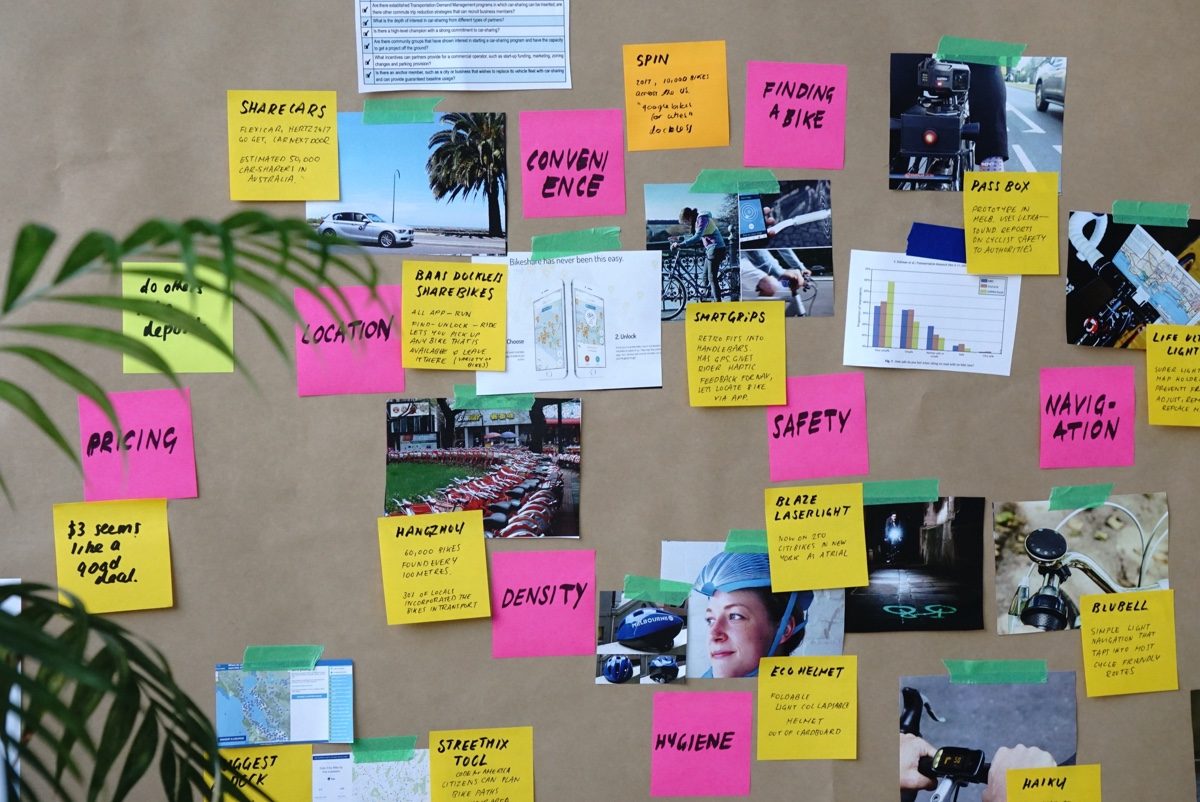
The greatest power of design isn’t in the design stage; it’s in identifying the REAL PROBLEM first. It’s an art form, and we can make you experts. The beauty of Design Thinking and Service Design is allowing a space for creative thinking and thinking differently about solving problems. When we think about a problem outside of the system constraints, office politics, outdated hardware, and crippling roadblocks we’re trained to identify, only then can we make a true and meaningful difference with design.
We offer workshops and exercises to get to the heart of the problem, so that all of our work creates meaningful solutions.
Personas and User Types

User Types and Personas are two tools that provide an in-depth and empathetic view of who those interested in your products and services. Identifying user types is the first step when thinking about your planned experience. We know different people have different needs and motivations and may want to accomplish different things based on their goals, financial standing, and stage of life. Personas help explore these needs in depth.
Workshop Design and Facilitation
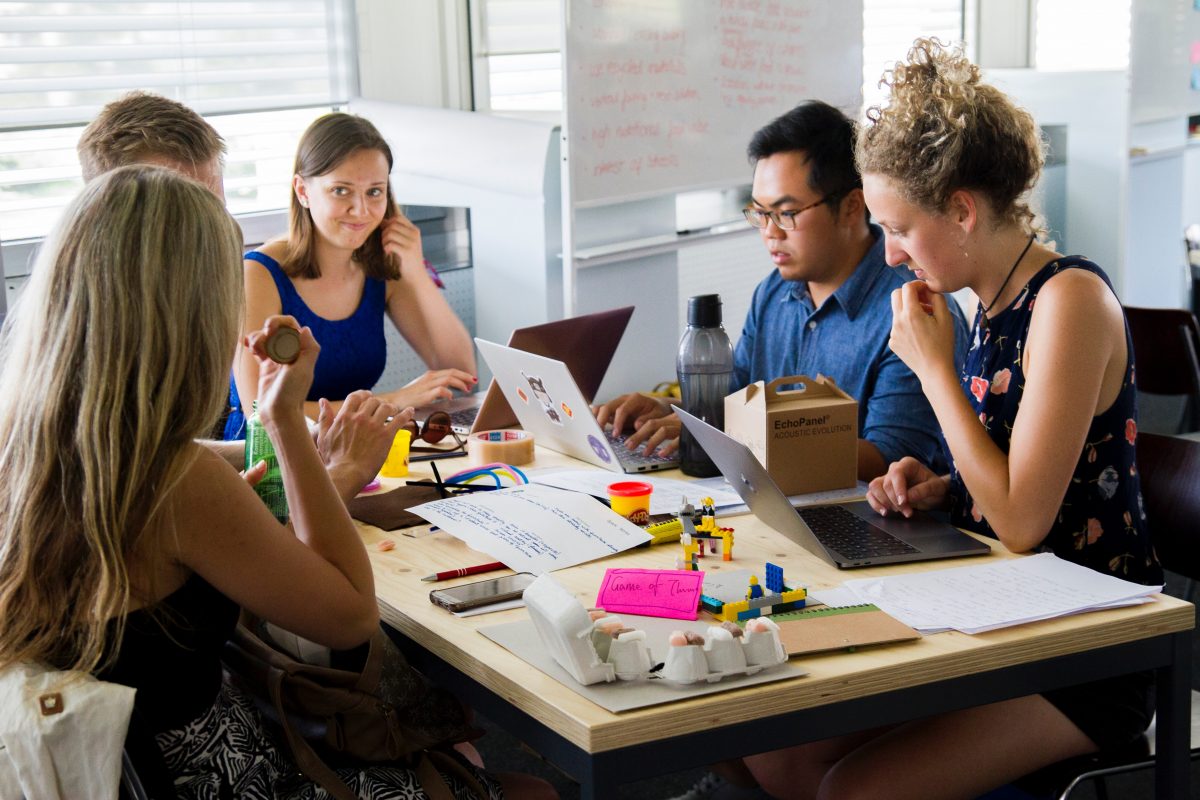
We run workshops specific to Design Thinking and Service Design, and they are never, ever the same. We’re surprised and delighted by the insights and ideas within teams who have worked together for years but never really talked about their services, their frustrations, and most importantly, their ideas.
Interviews and Shadowing

We’ve worked with clients who are terrified to have their customers, patients, or members interviewed and need three months’ notice to do so. We teach clients about gathering information quickly and effectively, on a lunch break, on the street, or the next office in their building. The secret? People want to help; they want to share an opinion and you can ask them for it. We can do it for you, and train you how to continue your “research in the wild” in the future.
Journey Mapping
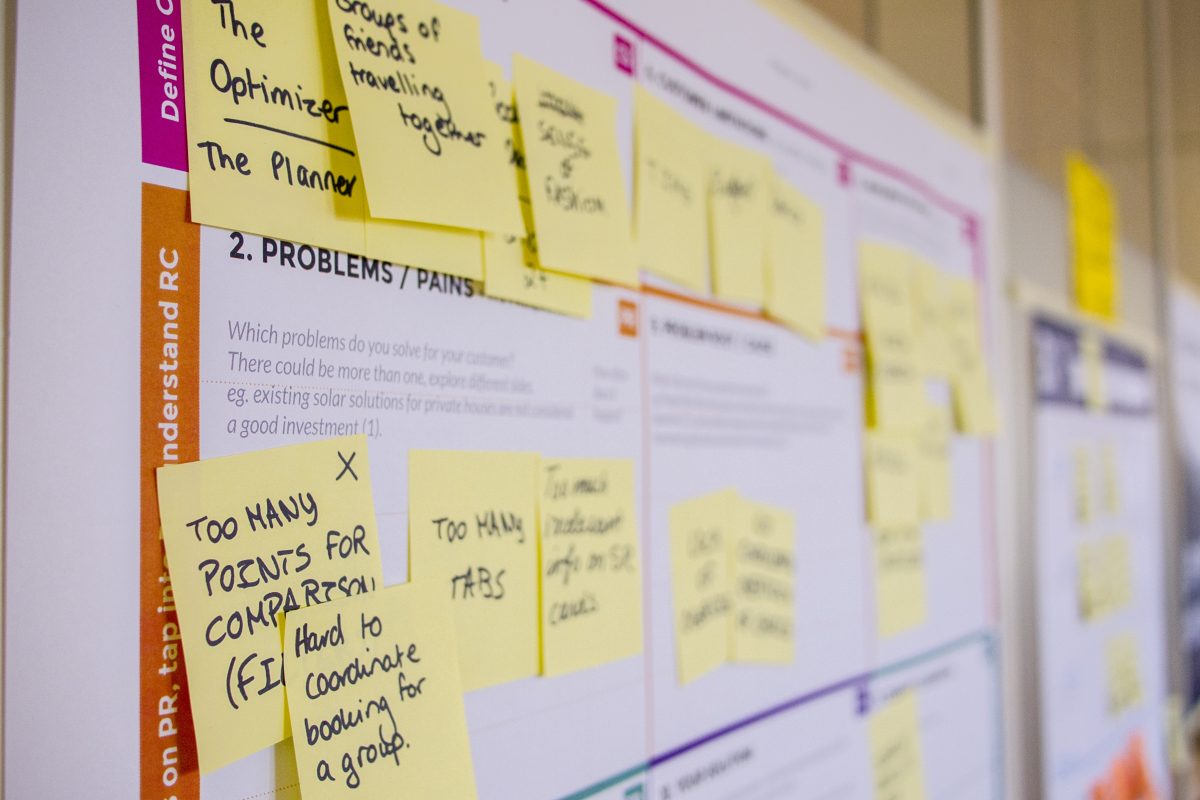
Journey Maps are Service Design royalty. We love them and have used them for patient journeys, software purchase and onboarding, banking, and education. Journeys carry forward the idea of empathy from personas. They let us walk in the shoes of someone on a mission to complete a task.
What channels will they use for what? What frustrates them about getting from point “a” to point “b”? Most importantly, what can your organization do to correct the gaps, frustrations, and friction along the way? Journeys are some of the most fun tools we’ve used with clients, especially when multiple departments come together and realize everyone has frustrations, but they also share the same objective: helping people accomplish their goals.
Early Stage Concepting

When you hear the word “prototype,” you probably think of beta-testing software or a built mechanical or physical prototype that represents hundreds of hours. Service Design is all about speed and nimble response. So, early concepting might take many forms and may not be a digital tool at all. You may discover one of your best options is new and instructive signage, a different physical flow for your emergency room waiting room, or maybe an app. Your early concepts might be represented a myriad of rapid renderings, drawings, we’ve even had a team use Legos in a rapid fire prototyping session – and it worked brilliantly. The point is to get ideas moving, get them out, discuss them, and make them real and physical. They’re doing no good sitting in someone’s head.
Test and Measure
Service Design testing is different than most areas of experience. It involves testing the earliest concept of an idea with potential service users. You want to validate as early as possible with users, not once you’ve spent thousands of dollars. This early testing gets you first responses. You’re testing a concept, not a finished product or offering, and you’ll keep doing so throughout the design process. An early test-and-measure practice offers cheap, informal validation from your most important audience. Allowing you to make changes at the least expensive stages of design quickly– or start over.